
Yala Safari Tour Packages
Most Tours Fall into These Categories
850+ Most Popular
We focus on responsible tourism, exceptional customer care, and attention to detail, so you can relax and fully immerse yourself in nature. Whether you’re seeking leopards, elephants, or breathtaking landscapes, we are committed to delivering an experience that exceeds your expectations.
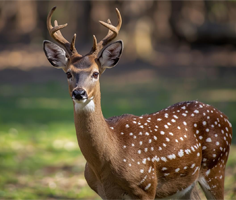
Deer
Discover the wonders of Yala National Park during the cooler, late afternoon hours on our Afternoon Safar

Leopard
Discover the wonders of Yala National Park during the cooler, late afternoon hours on our Afternoon Safar
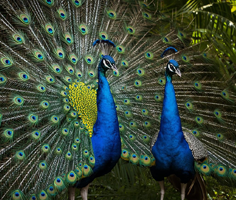
Peacock
Discover the wonders of Yala National Park during the cooler, late afternoon hours on our Afternoon Safar
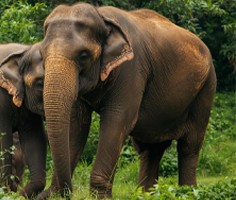
Elephant
Discover the wonders of Yala National Park during the cooler, late afternoon hours on our Afternoon Safar
Safari Packages Information
Morning Safari
Good for photography because of soft early-morning light.
6 Hour Morning Safari
Common inclusions:
- Around 5:30 Am 12:00 noon (about 6 hours inside the park, sometimes sold as “morning half-day – 6 hrs.”)
- Travelers who want maximum wildlife activity at dawn but do not want to stay the full day.
- Private 4×4 safari jeep with driver/guide.
- Hotel pick-up from Yala / Tissamaharama area.
- Bottled water and sometimes a simple breakfast snack (park entrance fee may or may not be included, depending on operator).
Key experience points for your article:
- Enter Park at opening time to look for leopards, elephants and birds when they are most active.
- Good for photography because of soft early-morning light.
- Return to hotel around midday, leaving afternoon free to rest or travel.
4 Hour Morning Safari
- Typical time: 6:00 am–10:00 am (shorter half-day version).
- Best for: Budget travelers or those with tight schedules who still want a chance to see Yala.
Common inclusions:
- Private jeep with space for up to 6 guests.
- Driver/guide and hotel pick-up from nearby towns (Yala, Kirinda, Tissamaharama).
- Usually water; park ticket may be included or charged separately depending on the package.
Key experience points for your article:
- Focus on main game-drive routes close to the gate, so less time driving long distances. Still timed for early-
- Still timed for early-morning animal activity but with less time to wait for rare sightings.
- Good option if guests arrive late the previous night or are travelling onward before lunch.
4 Hour Morning Safari
Good option if guests arrive late the previous night or are travelling onward before lunch.
Afternoon Safari
Animals become active again as the heat drops; often good chances to see elephants near water and leopards resting in shade.
6 Hour Afternoon Safari
- Typical time: about 2:00 pm–6:00 pm (some operators do 1:30 pm–6:30 pm).
- Best for: Guests who prefer to sleep in, or who arrive to Yala around midday.
Common inclusions:
- 4×4 jeep, driver/guide and hotel pick-up.
- Driver/guide and hotel pick-up from nearby towns (Yala, Kirinda, Tissamaharama).
- Drinking water and soft drinks, entrance fees sometimes separate.
Key experience points for your article:
- Animals become active again as the heat drops; often good chances to see elephants near water and leopards resting in shade.
- Beautiful golden-hour light near sunset, ideal for photos.
- More relaxed start compared to the early morning safari, but slightly lower chances for some shy species that move mostly at dawn.
Full day safari package
- Typical time: around 6:00 am–6:00 pm with a break at midday when the park is officially closed to game driving.).
- Best for: Wildlife lovers, photographers, and repeat visitors who want maximum time in the park.
Common inclusions:
- 10–12 hours of game drive inside Yala with an experienced guide.
- Hotel pick-up (around 4:30–5:15 am) and drop-off after sunset
- Park entrance fees, jeep fees, and often picnic breakfast, lunch, water and cool drinks.
Key experience points for your article:
- Coverage of multiple areas/blocks, increasing chances of spotting leopards, sloth bears, elephants and many bird species.
- Long midday break at a designated rest area inside or near the park for lunch and relaxation while the park roads are closed (usually 12:00–2:00 pm).
- Most complete Yala experience but also the most tiring and expensive option.
Full day safari package
Most complete Yala experience but also the most tiring and expensive option.
Frequently Asked Questions (FAQ) About Yala Safari
Why Sri Lanka is special?
The country shelters 91 mammal species, including Asian elephant, leopard, sloth bear, and several endemic primates.
Multiple ecosystems fit into a small area: dry savannah, tropical lowland rainforest, cloud forest, wetlands, and rich coastal seas with whales and dolphins.
Many species are found nowhere else, especially birds, reptiles, amphibians, and rainforest mammals in Sinha raja and other wet-zone forests.
Top land wildlife experiences
Yala National Park – Famous for one of the world’s highest leopard densities, plus elephants, sloth bears, crocodiles, and sea turtle nesting along the coast.
Udawalawe & Minneriya/Kaudulla – Udawalawe offers near-guaranteed elephant sightings year-round, while Minneriya and nearby Kaudulla host “The Gathering,” with hundreds of elephants in the dry season.
Wilpattu & Wasgamuwa – Wilpattu is a quieter leopard stronghold with lakes and scrub forest, while Wasgamuwa is good for bears and elephants in a less-visited setting.
Rainforests and birdlife
- Sinharaja Forest Reserve is a UNESCO World Heritage rainforest and the last large area of primary tropical forest in the country, home to over half of Sri Lanka’s endemic mammals and butterflies, plus many rare amphibians and reptiles.
Key birding sites include Sinharaja, Bundala, Kumana, Horton Plains, and Mannar Island, with specialties like Sri Lanka blue magpie, green-billed coucal, and huge flocks of migratory waterbirds.
Ocean wildlife and coast
- Off the south coast (Mirissa) and east coast, boat trips often encounter blue whales, sperm whales, Bryde’s whales, dolphins, and sea turtles in season.
- Coastal national parks such as Bundala protect lagoons packed with flamingos, pelicans, storks, and other waterbirds, alongside crocodiles and other wetland fauna.
Practical tips for visits
For leopards, focus on Yala or Wilpattu; for elephants, prioritize Udawalawe, Minneriya, or Kaudulla depending on season.
Choose operators that follow responsible safari and whale-watching guidelines to avoid crowding, off-track driving, and harassment of animals, which is a known issue in some busy parks.
Bird diversity in Yala?
- The country shelters 91 mammal species, including Asian elephant, leopard, sloth bear, and several endemic primates.
Multiple ecosystems fit into a small area: dry savannah, tropical lowland rainforest, cloud forest, wetlands, and rich coastal seas with whales and dolphins.
Many species are found nowhere else, especially birds, reptiles, amphibians, and rainforest mammals in Sinha raja and other wet-zone forests.
Visitors can see a mix of forest birds, raptors, and wetland birds, including peafowl, hornbills, bee-eaters, kingfishers, eagles, and many waders.
Endemic species recorded in the park include Sri Lanka junglefowl, Sri Lanka grey hornbill, Sri Lanka wood pigeon, crimson-fronted barbet, black-capped bulbul, blue-tailed bee-eater, and brown-capped babbler
Best conditions for birdwatching
Early-morning and late-afternoon safaris are best, as birds are more active and light is better for viewing and photography
After rains, waterholes and lagoons attract large numbers of storks, herons, egrets, pelicans, and other weaverbirds, giving especially good sightings.