Located in the southeastern region of the island, bordering the Indian Ocean, Yala National Park covers an area of nearly 979 square kilometers. The park is a remarkable combination of dry forests, open grasslands, scrub jungle, lagoons, and coastal ecosystems, making it one of the most diverse national parks in the country.
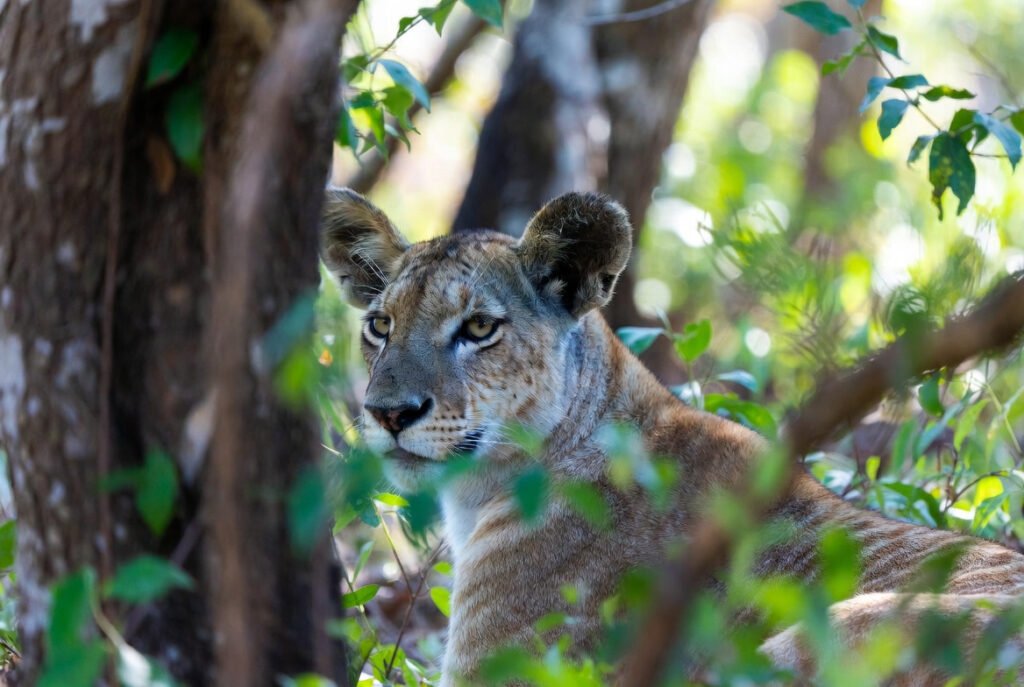
Yala is internationally renowned for having one of the highest densities of leopards in the world. The Sri Lankan leopard (Panthera pardus kotiya), an endemic subspecies, is the park’s most iconic resident and a major attraction for wildlife enthusiasts and photographers.
In addition to leopards, Yala is home to a wide variety of animals, including Asian elephants, sloth bears, spotted deer, sambar deer, wild boar, water buffalo, mugger crocodiles, and golden jackals.
The park is also a paradise for bird lovers, with over 200 recorded bird species, including migratory birds, peacocks, eagles, herons, and storks.
Yala National Park is divided into several blocks, with Block 1 being the most popular and frequently visited due to its high wildlife concentration. Other blocks offer quieter and more secluded safari experiences, allowing visitors to enjoy nature with fewer crowds.
Safari tours are conducted in specially designed 4×4 jeeps, guided by experienced drivers who have extensive knowledge of animal behavior and the park’s terrain.
Beyond its wildlife, Yala holds great historical and cultural significance. Scattered throughout the park are ancient ruins of Buddhist monasteries, stupas, and inscriptions that date back over 2,000 years.
Yala National Park is Sri Lanka’s most famous wildlife reserve and one of the best destinations in Asia for experiencing nature and wildlife in their purest form.
These remains reveal that the area was once home to thriving ancient civilizations that lived in harmony with nature. The combination of wildlife and history makes Yala a unique destination where natural beauty and cultural heritage coexist.
Yala National Park also plays a vital role in conservation and environmental protection in Sri Lanka.
As a protected area, it helps preserve endangered species and delicate ecosystems while promoting responsible tourism.
Strict regulations are in place to minimize human impact, ensuring that future generations can continue to enjoy the park’s natural wonders.
Visitors can choose from morning, afternoon, or full-day safari experiences, each offering a different perspective of the park. Early morning safaris are particularly popular, as animals are more active during the cooler hours, providing excellent opportunities for wildlife sightings and photography.
In conclusion, Yala National Park is more than just a safari destination—it is a symbol of Sri Lanka’s rich biodiversity and natural heritage. Whether you are a wildlife lover, photographer, nature enthusiast, or traveler seeking adventure, Yala National Park offers an unforgettable experience that showcases the true beauty of Sri Lanka’s wilderness.